News Story
The Progressive Safe System: How it Works
News Story
The Progressive Safe System: How it Works
The Progressive Safe System reaches a year this month since the initial October deadline, and it’s measurably increased the safety of HGVs operating in London (where the standard originates). You may also have heard it referred to as the Direct Vision Standard Phase 2.
If you work in fleet operations or management, it’s still worth having your eye on the PSS; as we mentioned in our Direct Vision Standard FAQ, equivalent and even duplicate legislation is being introduced in other major cities. Where they lead, others are sure to follow.
What Vehicles Need a Progressive Safe System?
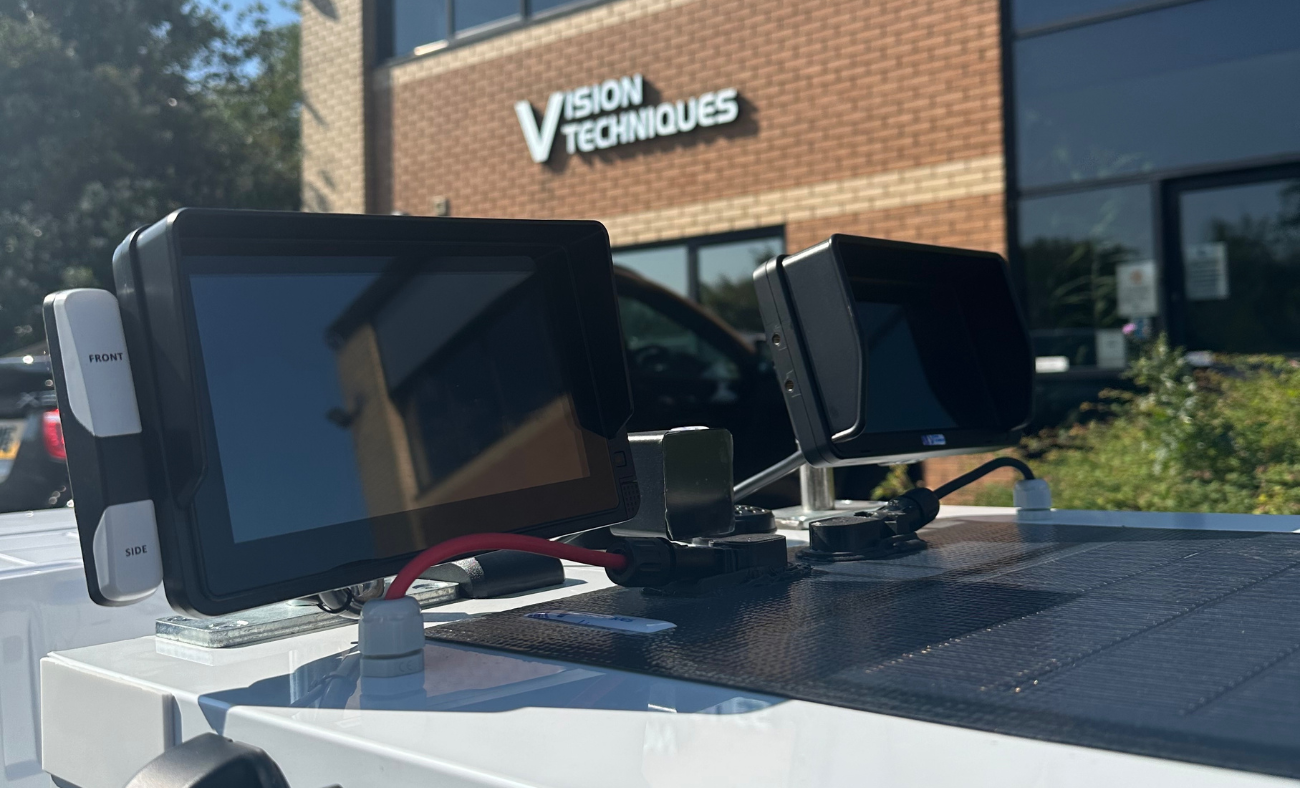
Under the DVS, any HGV under a three star ranking must be fitted with a Progressive Safe System. We’ve created a DVS Progressive Safe System which bundles together three key products; these have all been well tested individually and, taken together, they satisfy the requirements of the PSS.
What Makes Up a Progressive Safe System?
A PSS must fulfil seven requirements.
- Camera Monitoring System (CMS)
- Moving Off Information System (MOIS)
- Side Under-Run Protection (may be omitted if demonstrably impractical)
- Blind Spot Information System (BSIS)
- Audible Warnings
- External Visual Warnings
The CMS makes it possible for fleet operators, insurers, etc, to review any incidents and identify what or who is at fault, if anyone. It augments a camera system for the vehicle brilliantly.
The audible warnings, external warning signs, and the Under-Run protection warn vulnerable road users of the vehicle’s presence and intent, and safeguards people, animals, and other items from ending up under the vehicle and in danger from the wheels.
The MOIS and BSIS give the vehicle operator more information on their surroundings, so that they can avoid movements that might cause harm to those around them.
Fleet Management and the Progressive Safe System
With more and more awareness on the part of municipal road safety organisations that HGV safety systems exist, legislation adopting these standards is becoming more common.
Working within fleet management, it’s important to ensure your own vehicles are compliant wherever they may need to operate. If you aren’t sure where the situation stands at any particular time, please get in touch – we’ll be happy to sort you out with what you need.
More News
View All News


Head Office
Vision Techniques (UK) Ltd
Phoenix House,
Phoenix Park,
Blakewater Road
Blackburn,
Lancashire, BB1 5SJ
Contact
t: 01254 679 717
e: info@vision-techniques.com